in the news
7abcWKBW
Proposed Birds and Bees Protection Act may ban certain pesticides throughout New York
Derek Heid
6:18 PM, Jul 24, 2023
SANBORN, N.Y. — A new act recently passed through the state legislature could ban a certain type of pesticides across New York, neonicotinoids.
Farmers in Western New York are all aiming for the same thing, a healthy harvest season. However, they all have different ways to achieve that same goal. Both chambers of the New York state legislature have passed the Birds and Bees Protection Act.
This is a first of its kind of act in the country that would ban all neonicotinoid pesticides, citing needs for environmental conservation.
Farmers in Western New York are all aiming for the same thing, a healthy harvest season. However, they all have different ways to achieve that same goal. Both chambers of the New York state legislature have passed the Birds and Bees Protection Act.
This is a first of its kind of act in the country that would ban all neonicotinoid pesticides, citing needs for environmental conservation.

Beyond Pesticides
CONGRESS ASKED TO HELP STOP ECOSYSTEM COLLAPSE DUE TO THE USE OF TOXIC PESTICIDES
Beyond Pesticides Team
Monday, June 26th, 2023 at 8:12 am
In view of EPA’s failure to protect pollinators from pesticides, the lives of those essential insects, birds, and mammals are increasingly dependent on state and local laws that under threat of U.S. Congressional action in the upcoming Farm Bill.
Tell Congress: Don’t allow the Farm Bill to preempt state and local laws.
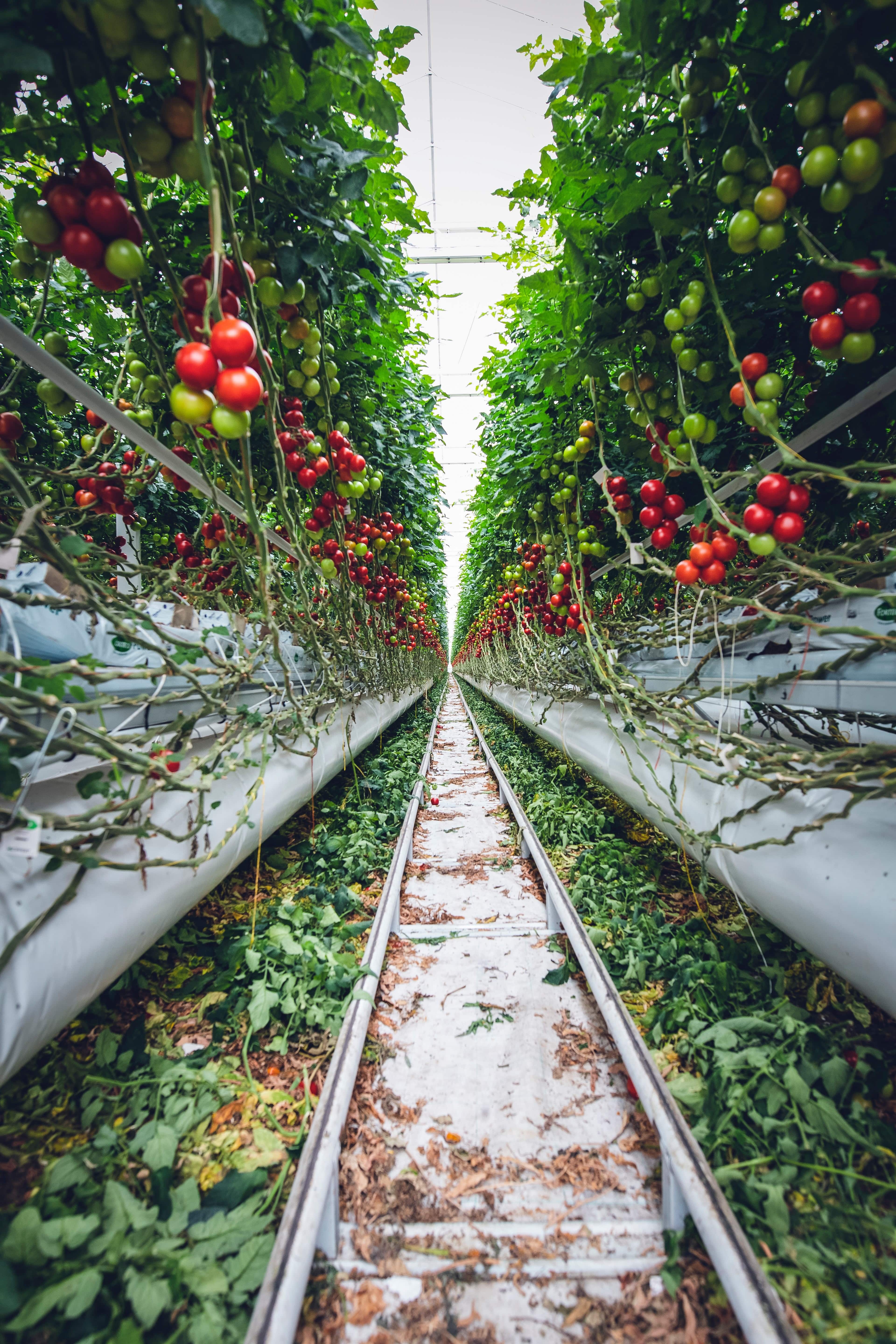
The Farm Bill covers many areas—ranging from the supplemental nutritional assistance program (SNAP) to trade—and one provision that the pesticide industry would like to include is preemption of local authority to restrict pesticide use. This attack on local governance would undercut the local democratic process to protect public health and safety, especially important in the absence of adequate federal protection of the ecosystems that sustain life.
Yahoo News
Beneficial Insects Market worth $1,630 million by 2028 - Exclusive Report by MarketsandMarkets
PR Newswire
Tue, July 4, 2023 at 7:00 PM
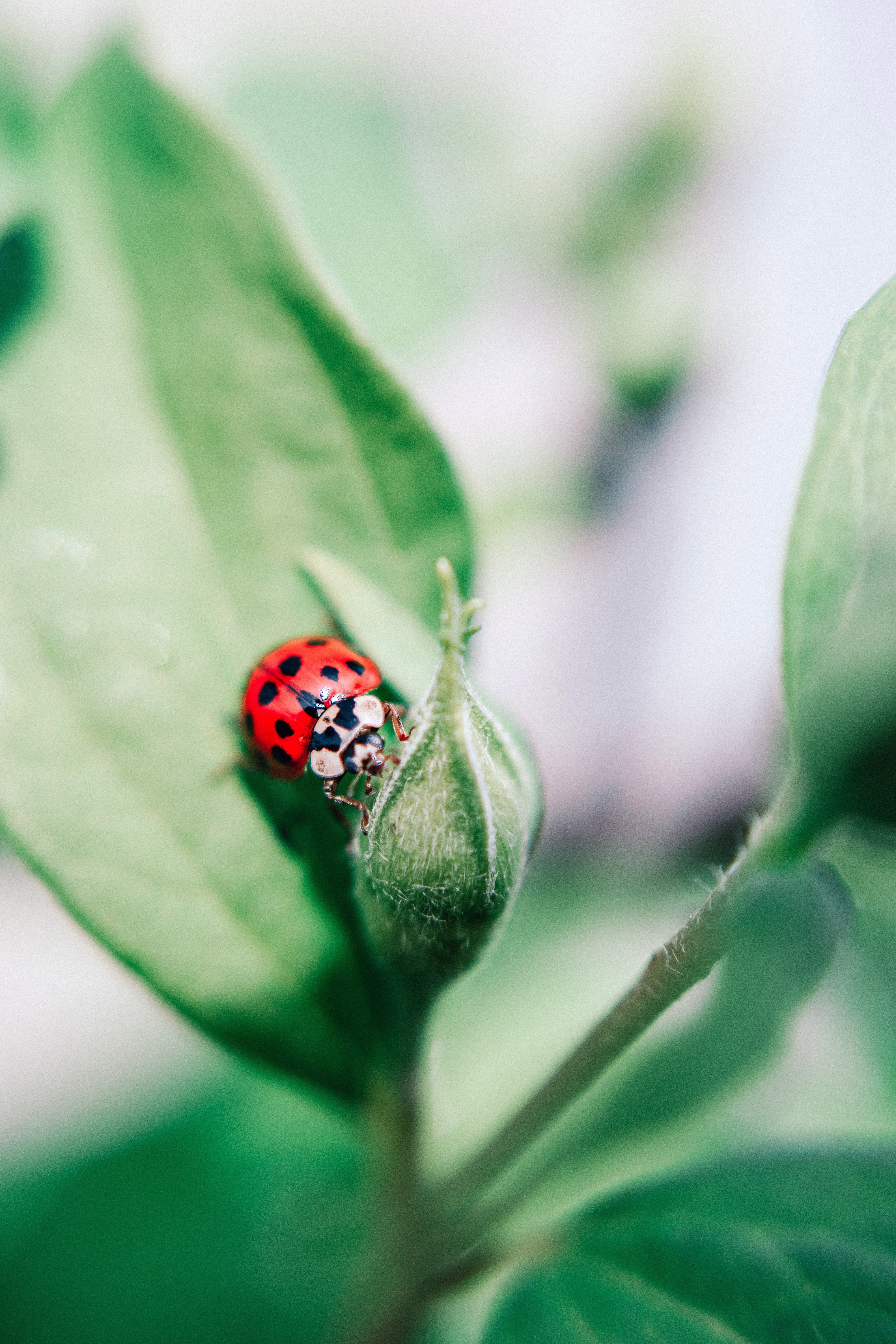
Beneficial insects play a vital role in crop protection for fruits and vegetables. These natural predators, such as ladybugs, lacewings, and parasitic wasps, offer an eco-friendly solution for controlling pests that commonly infest these crops. By introducing beneficial insects into the fields, farmers can effectively combat pests like aphids, caterpillars, and whiteflies. These beneficial insects prey upon the pests, reducing their populations and preventing damage to the plants. Utilizing beneficial insects for crop protection in fruits and vegetables offers numerous benefits, including reduced reliance on chemical pesticides, minimized environmental impact, and the preservation of beneficial organisms and pollinators. Integrating these natural pest control agents into agricultural practices promotes sustainable farming, enhances crop quality, and contributes to the long-term health and productivity of the crops.
Mongabay News & Inspiration from Nature's Frontline
Pesticides CAUSING HEALTH PROBLEMS: gUT DYSBIOSIS
Cindy Santa Ana
14 July 2023
Dysbiosis is described as an imbalance in the gut microbiome. One can have a high population of pathogenic or opportunistic species of yeast, candida, and bacteria combined with a low population of beneficial species like bifidobacteria and butyrate-producing species. Herbicide, Pesticide & Fungicide residue on your food is a direct contributing factor to gut dysbiosis.
The gut microbiome is like any other ecosystem. There is a delicate balance between all its organisms. A seemingly small disruption (like a few days of antibiotics) can have a ripple effect on the entire ecosystem for years to come! A healthy microbiome means minimal bloating, gas, minimal food sensitivities, good energy and mental clarity, clear skin, and at least one bowel movement every day.
The gut microbiome is like any other ecosystem. There is a delicate balance between all its organisms. A seemingly small disruption (like a few days of antibiotics) can have a ripple effect on the entire ecosystem for years to come! A healthy microbiome means minimal bloating, gas, minimal food sensitivities, good energy and mental clarity, clear skin, and at least one bowel movement every day.

The European Conservative
over 1 million europeans want to stop pesticides
Bridget Ryder
July 16, 2023
Over one million Europeans want farmers to stop using synthetic pesticides; farmers want policy coherence and consistency. Can a resolution be found?
After the political gridlock of the Nature Restoration Directive in the EU Parliament, the pesticide directive, Sustainable Pesticide Use Directive (SUD), seems likely to face a similar fate of being too mutilated with amendments to come out of committee recognisable. The EU’s “legislative train schedule” summarised the directive’s current state of play in Parliament—“Almost 300 amendments were tabled. Technical discussions are ongoing”—as a situation similar to what led to the stalemate over the Nature Restoration Law, which ended July 12th by a thin margin of 12 votes.

SeattleU Newsroom
SEATTLE UNIVERSITY CONVERTS CAMPUS TO GREEN GROUNDS BY STOPPING THE USE OF PESTICIDES
The Newsroom Campus Community
July 14, 2023
SU is among the first schools to achieve Green Grounds Certification.Seattle University is one of the first schools to achieve Green Grounds Certification. Awarded by the advocacy group Re:wild Your Campus, the certification recognizes SU’s shift away from traditional campus management reliant on toxic pesticides to a more holistic approach that emphasizes biodiversity, soil health and student wellbeing.
Seattle University is one of just three institutions to receive Green Grounds Certification, alongside the University of Washington at Bothell and Cascadia College. The three schools, all located in Washington, have achieved platinum certification, the highest available level, which requires campuses and sports fields to be managed 100% organically. Additionally, a platinum-certified campus must integrate native plants, reduce water use, transition to an electric fleet of grounds equipment and include students in campus management efforts.

Derry Journal
Hive Cancer Support Pesticide Free Derry campaign: campaign aims to see the removal of the dangers of chemicals to our health.
Kevin Mullan
24th Jul 2023, 11:07 PM
Hive Cancer Support contributes to a variety of local campaigns, including the recent Green Mile Project, which is part of a wider Pesticide Free Derry campaign.
This campaign aims to see the removal of dangerous chemicals, such as glyphosate, from the environment, as well as highlighting the dangers of chemicals to our health.
Hive Cancer Support also offers important educational programmes such as Reduce Your Risk, which educates children and adults on ways to reduce the risk of developing cancer, and Male and Female Cancer Awareness Workshops, which focus on the signs and symptoms of Cancer and what steps to take if you notice any changes.
The charity’s stated mission is to ‘create a community where healing, hope, and connection flourish, empowering individuals affected by cancer’.
This campaign aims to see the removal of dangerous chemicals, such as glyphosate, from the environment, as well as highlighting the dangers of chemicals to our health.
Hive Cancer Support also offers important educational programmes such as Reduce Your Risk, which educates children and adults on ways to reduce the risk of developing cancer, and Male and Female Cancer Awareness Workshops, which focus on the signs and symptoms of Cancer and what steps to take if you notice any changes.
The charity’s stated mission is to ‘create a community where healing, hope, and connection flourish, empowering individuals affected by cancer’.

The Sydney Morning Herald
Beloved monarch butterflies now two flutters from extinction
Christina LarstonJuly 22, 2022 — 12.43pm
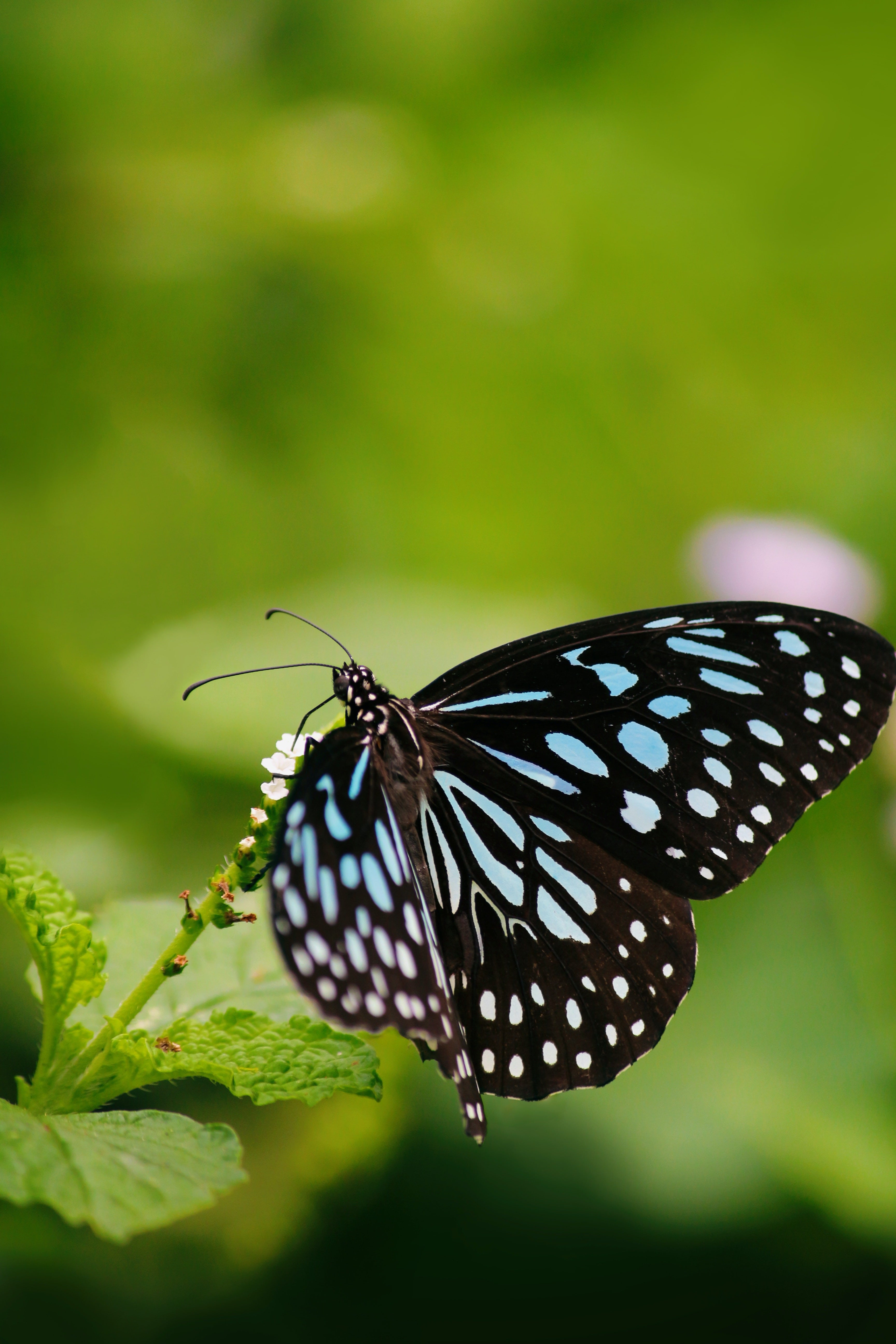
Washington: The monarch butterfly has fluttered a step closer to extinction, after scientists put the iconic orange-and-black insect on the endangered list because of its fast dwindling numbers.
“It’s just a devastating decline,” said Stuart Pimm, an ecologist at Duke University who was not involved in the new listing. “This is one of the most recognisable butterflies in the world.”
The International Union for the Conservation of Nature added the migrating monarch butterfly for the first time to its “red list” of threatened species and categorised it as “endangered” — two steps from extinct.
“It’s just a devastating decline,” said Stuart Pimm, an ecologist at Duke University who was not involved in the new listing. “This is one of the most recognisable butterflies in the world.”
The International Union for the Conservation of Nature added the migrating monarch butterfly for the first time to its “red list” of threatened species and categorised it as “endangered” — two steps from extinct.
The Guardian
Toxic impact of pesticides on bees has doubled, study shows
Damian Carrington
Fri 2 Apr 2021 05.00 AEDT
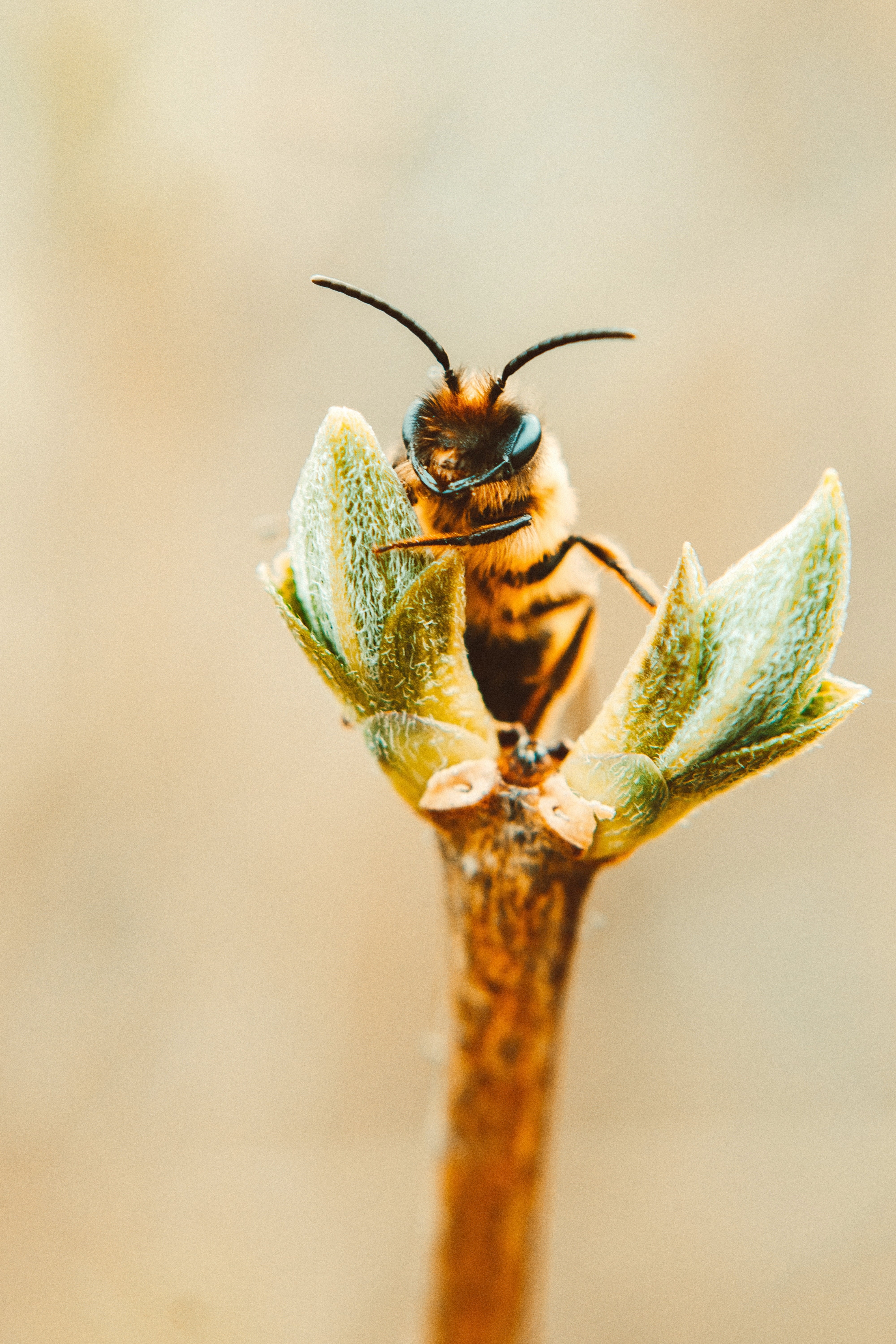
The toxic impact of pesticides on bees and other pollinators has doubled in a decade, new research shows, despite a fall in the amount of pesticide used.
Modern pesticides have much lower toxicity to people, wild mammals and birds and are applied in lower amounts, but they are even more toxic to invertebrates. The study shows the higher toxicity outweighs the lower volumes, leading to a more deadly overall impact on pollinators and waterborne insects such as dragonflies and mayflies.
The scientists said their work contradicts claims that declines in the amount of pesticides used is reducing their environmental impact. The research also shows that the toxic impact of pesticides used on genetically modified crops remains the same as conventional crops, despite claims that GM crops would reduce the need for pesticides.
Mongabay News & Inspiration from Nature's Frontline
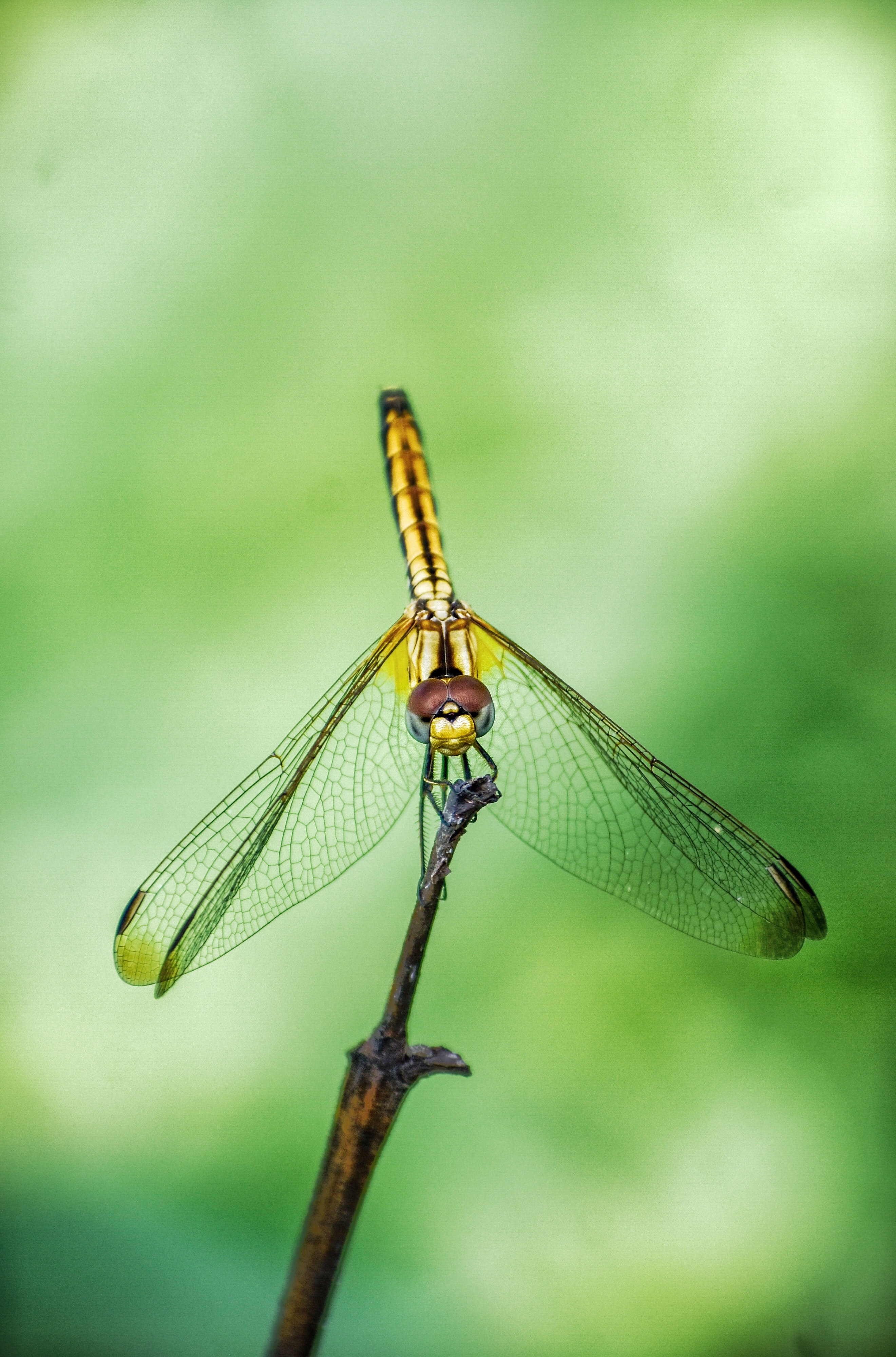
Pesticides decimating dragonflies and other aquatic insects
Jeremy Hance
18 June 2013
Pesticide contamination hit some invertebrate groups the hardest including dragonflies, stoneflies, caddisflies, and mayflies. Such species did not necessarily disappear altogether, but saw their abundance plunged. While, many of the decimated species may not be well-known to the general public, they play a major role in the food chain, including as prey for birds and fish.
In April, the EU banned three pesticides for two years in a bid to stem bee losses on the continent. A flood of recent studies have shown an increasingly convincing connection between a type of pesticides, known as neonicotinoids, and colony collapse disorder (CCD) in bees. The pesticides likely don’t kill the bees outright, but instead impair brain functioning leading to navigational and other problems, which is exacerbated by habitat and food loss as well as disease.
Beyond Pesticides
PESTICIDE THREAT TO POLLINATORS DECEASES AGRICULTURAL & ECONOMIC PRODUCTIVITY, aND FOOD SECURITY
Beyond Pesticides Team
Friday, June 23rd, 2023 at 12:01 am
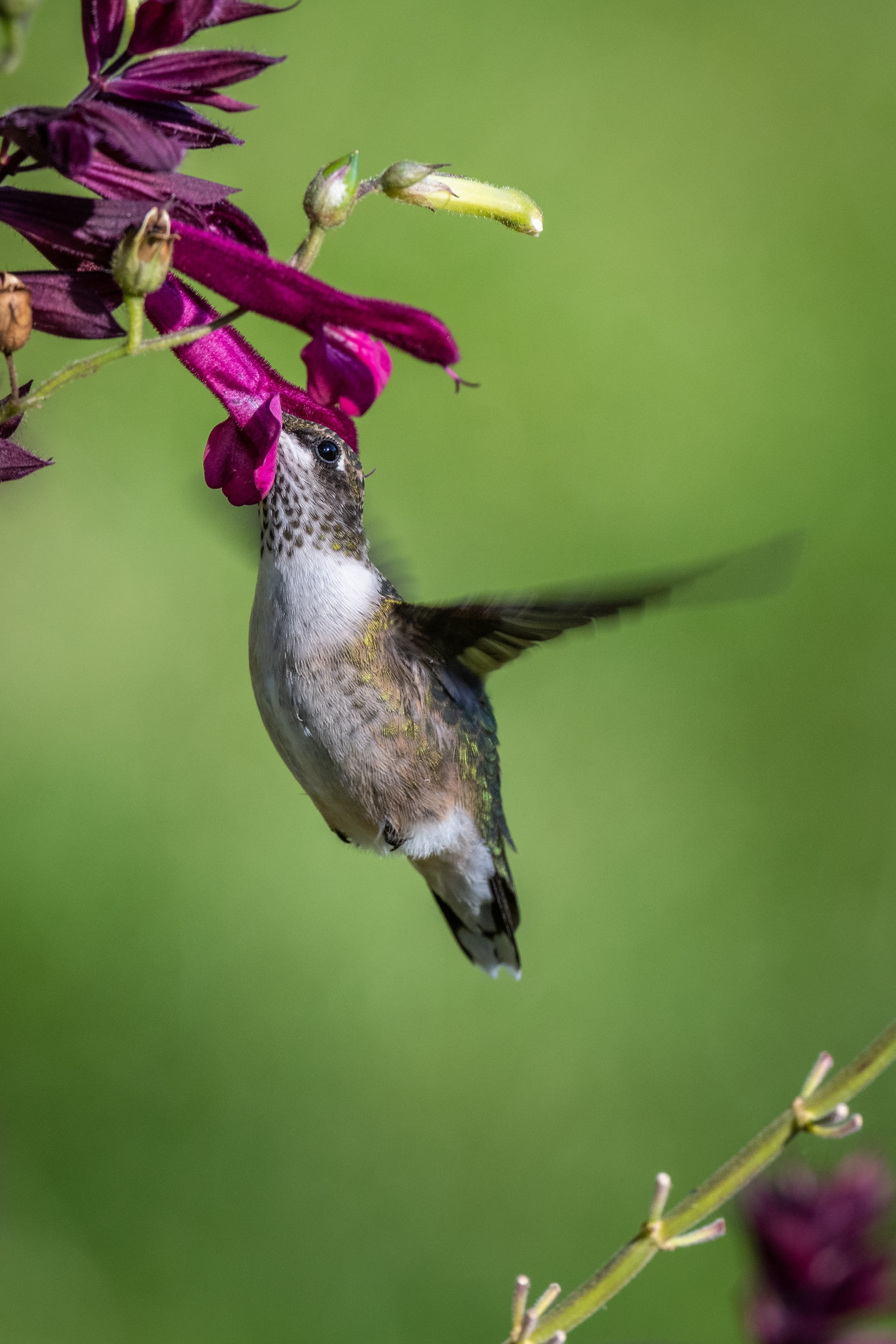
Pollinators are especially important to the ecosystem. They pollinate plants by going from flower to flower and transferring pollen. Without pollinators, availability would be severely limited or cut off to many delicious foods, such as apples, almonds, cherries, blueberries, pumpkins, and many others. Many types of pollinators, like honey bees, bumble bees, and butterflies, are declining due to loss of habitat, widespread use of toxic pesticides, parasites, and disease.
Help these important beneficial creatures by:
**Not using toxic pesticides
**Planting pollinator habitats, like colorful flowers, gardens, and trees
**Telling your friends and family all about the importance of pollinators.
To read more from this article and learn about the full extent of the global problem we are facing today, simply click on the button below.
NaijaGists
PRACTICAL STEPS TO MINIMIZE PESTICIDE EXPOSURE & LOWER CANCER RISKS
Naija Gists
July 17, 2023
Pesticides are widely used in agriculture to control pests and increase crop yield. However, these chemical substances can pose risks to human health, including potential links to cancer developement. To reduce your exposure to pesticides, and safeguard your well-being, it is important to adopt mindful practices when it coimes to food choices and pesticide use. In this article, we will explore practical steps you can take to minimise pesticide exposure and promote a healthier lifestyle.
Times of India
Dirty Dozen 2023: Blueberries have now joined green beans in the list
TIMESOFINDIA.COM
Sep 3, 2023, 12:00 IST
Growing up we were told to make it a habit to eat healthy each day and avoid junk. But what if we told you that the veggies or fruits that we eat contain so much pesticides that they eventually harm our body more than fast food?
According to the Environmental Working Group (EWG), a nonprofit environmental health organisation, blueberries, which are adored by people for their antioxidants and anti-inflammatory effects, have joined fiber-rich green beans in this year's Dirty Dozen of non-organic vegetables with the highest amount of pesticides.

Beyond Pesticides
CONGRESS ASKED TO HELP STOP ECOSYSTEM COLLAPSE DUE TO THE USE OF TOXIC PESTICIDES
Beyond Pesticides Team
Monday, June 26th, 2023 at 8:12 am
In view of EPA’s failure to protect pollinators from pesticides, the lives of those essential insects, birds, and mammals are increasingly dependent on state and local laws that under threat of U.S. Congressional action in the upcoming Farm Bill.
Tell Congress: Don’t allow the Farm Bill to preempt state and local laws.
The Farm Bill covers many areas—ranging from the supplemental nutritional assistance program (SNAP) to trade—and one provision that the pesticide industry would like to include is preemption of local authority to restrict pesticide use. This attack on local governance would undercut the local democratic process to protect public health and safety, especially important in the absence of adequate federal protection of the ecosystems that sustain life.
Yahoo News
Beneficial Insects Market worth $1,630 million by 2028 - Exclusive Report by MarketsandMarkets
PR Newswire
Tue, July 4, 2023 at 7:00 PM
Beneficial insects play a vital role in crop protection for fruits and vegetables. These natural predators, such as ladybugs, lacewings, and parasitic wasps, offer an eco-friendly solution for controlling pests that commonly infest these crops. By introducing beneficial insects into the fields, farmers can effectively combat pests like aphids, caterpillars, and whiteflies. These beneficial insects prey upon the pests, reducing their populations and preventing damage to the plants. Utilizing beneficial insects for crop protection in fruits and vegetables offers numerous benefits, including reduced reliance on chemical pesticides, minimized environmental impact, and the preservation of beneficial organisms and pollinators. Integrating these natural pest control agents into agricultural practices promotes sustainable farming, enhances crop quality, and contributes to the long-term health and productivity of the crops.
Mongabay News & Inspiration from Nature's Frontline
Pesticides CAUSING HEALTH PROBLEMS: gUT DYSBIOSIS
Cindy Santa Ana
14 July 2023
Dysbiosis is described as an imbalance in the gut microbiome. One can have a high population of pathogenic or opportunistic species of yeast, candida, and bacteria combined with a low population of beneficial species like bifidobacteria and butyrate-producing species. Herbicide, Pesticide & Fungicide residue on your food is a direct contributing factor to gut dysbiosis.
The gut microbiome is like any other ecosystem. There is a delicate balance between all its organisms. A seemingly small disruption (like a few days of antibiotics) can have a ripple effect on the entire ecosystem for years to come! A healthy microbiome means minimal bloating, gas, minimal food sensitivities, good energy and mental clarity, clear skin, and at least one bowel movement every day.
The gut microbiome is like any other ecosystem. There is a delicate balance between all its organisms. A seemingly small disruption (like a few days of antibiotics) can have a ripple effect on the entire ecosystem for years to come! A healthy microbiome means minimal bloating, gas, minimal food sensitivities, good energy and mental clarity, clear skin, and at least one bowel movement every day.
The European Conservative
over 1 million europeans want to stop pesticides
Bridget Ryder
July 16, 2023
Over one million Europeans want farmers to stop using synthetic pesticides; farmers want policy coherence and consistency. Can a resolution be found?
After the political gridlock of the Nature Restoration Directive in the EU Parliament, the pesticide directive, Sustainable Pesticide Use Directive (SUD), seems likely to face a similar fate of being too mutilated with amendments to come out of committee recognisable. The EU’s “legislative train schedule” summarised the directive’s current state of play in Parliament—“Almost 300 amendments were tabled. Technical discussions are ongoing”—as a situation similar to what led to the stalemate over the Nature Restoration Law, which ended July 12th by a thin margin of 12 votes.
SeattleU Newsroom
SEATTLE UNIVERSITY CONVERTS CAMPUS TO GREEN GROUNDS BY STOPPING THE USE OF PESTICIDES
The Newsroom Campus Community
July 14, 2023
SU is among the first schools to achieve Green Grounds Certification.Seattle University is one of the first schools to achieve Green Grounds Certification. Awarded by the advocacy group Re:wild Your Campus, the certification recognizes SU’s shift away from traditional campus management reliant on toxic pesticides to a more holistic approach that emphasizes biodiversity, soil health and student wellbeing.
Seattle University is one of just three institutions to receive Green Grounds Certification, alongside the University of Washington at Bothell and Cascadia College. The three schools, all located in Washington, have achieved platinum certification, the highest available level, which requires campuses and sports fields to be managed 100% organically. Additionally, a platinum-certified campus must integrate native plants, reduce water use, transition to an electric fleet of grounds equipment and include students in campus management efforts.
Derry Journal
Hive Cancer Support Pesticide Free Derry campaign: campaign aims to see the removal of the dangers of chemicals to our health.
Kevin Mullan
24th Jul 2023, 11:07 PM
Hive Cancer Support contributes to a variety of local campaigns, including the recent Green Mile Project, which is part of a wider Pesticide Free Derry campaign.
This campaign aims to see the removal of dangerous chemicals, such as glyphosate, from the environment, as well as highlighting the dangers of chemicals to our health.
Hive Cancer Support also offers important educational programmes such as Reduce Your Risk, which educates children and adults on ways to reduce the risk of developing cancer, and Male and Female Cancer Awareness Workshops, which focus on the signs and symptoms of Cancer and what steps to take if you notice any changes.
The charity’s stated mission is to ‘create a community where healing, hope, and connection flourish, empowering individuals affected by cancer’.
This campaign aims to see the removal of dangerous chemicals, such as glyphosate, from the environment, as well as highlighting the dangers of chemicals to our health.
Hive Cancer Support also offers important educational programmes such as Reduce Your Risk, which educates children and adults on ways to reduce the risk of developing cancer, and Male and Female Cancer Awareness Workshops, which focus on the signs and symptoms of Cancer and what steps to take if you notice any changes.
The charity’s stated mission is to ‘create a community where healing, hope, and connection flourish, empowering individuals affected by cancer’.